
A signing checklist for bookkeeping engagement letters
Prepare an approved engagement letter for client signature, separate recurring work from cleanup work, and record the completed handoff.


Before you send a bookkeeping engagement letter, check that the client is being asked to sign the service they actually selected. A reusable letter is helpful, but it can also carry last year's dates, another client's fee or work that was never included.
This checklist covers the handoff of an engagement letter your firm has already reviewed. It is not a contract template, professional-standard interpretation, tax-form procedure or legal advice.
Check the scope before the signature
Read the letter against the current proposal. Identify the service period, recurring work, any one-time cleanup and the fee arrangement. If the client asked for payroll or tax preparation and those services are outside this engagement, resolve that conversation before sending.
AICPA's engagement-letter FAQ discusses the components of engagement documentation and related practice questions. Use the guidance relevant to your firm's work and consult your adviser or insurer where appropriate. This article is not a claim that a generic letter satisfies their requirements.
For a fictional client, “Harbor — monthly bookkeeping — October start” is a more useful request title than “Engagement final.” Keep any separately approved cleanup engagement identifiable as a separate scope.
Verify the client details
Have the person responsible for onboarding confirm:
- The client entity named in the letter.
- The intended signer, role and email address.
- The service period and start assumptions.
- The fee and billing arrangement already agreed.
- Any required internal review or countersignature.
- Who owns the next onboarding step after completion.
Do not put bank credentials, tax identifiers or unnecessary client financial records into a signing test. Use a synthetic sample to learn the workflow.
Send a clean PDF
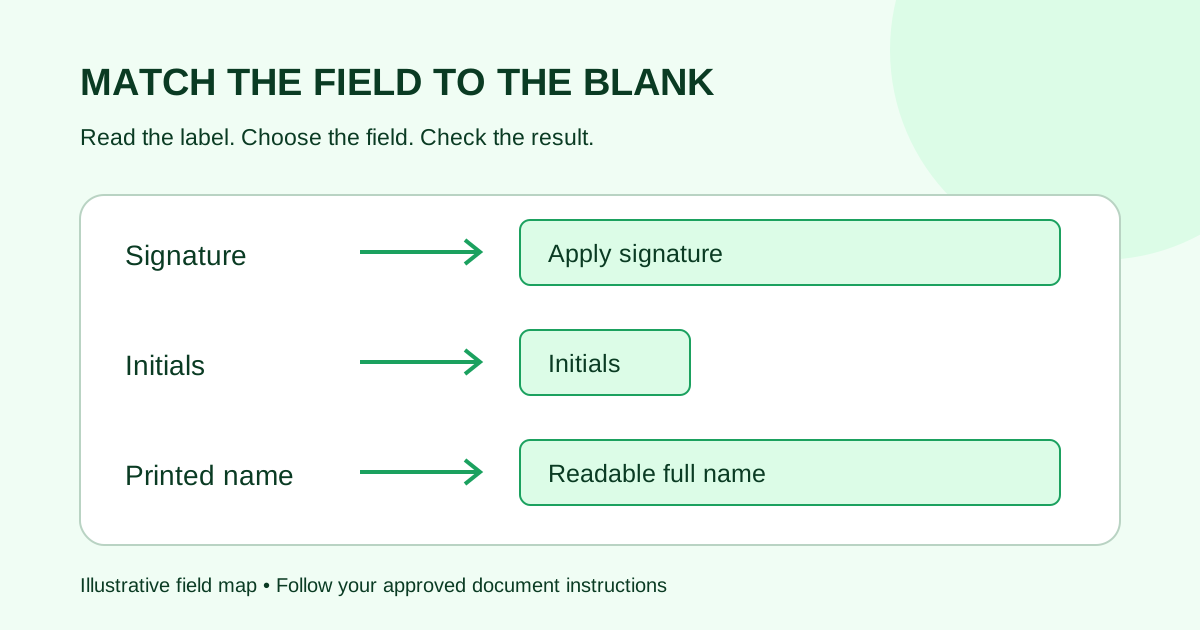
Export the approved letter and open the PDF before upload. Check page breaks and signature blocks. Add each signer and place the fields against the correct name. Choose the signing order required by your firm's process; do not confuse a person who needs a copy with a person being asked to sign.
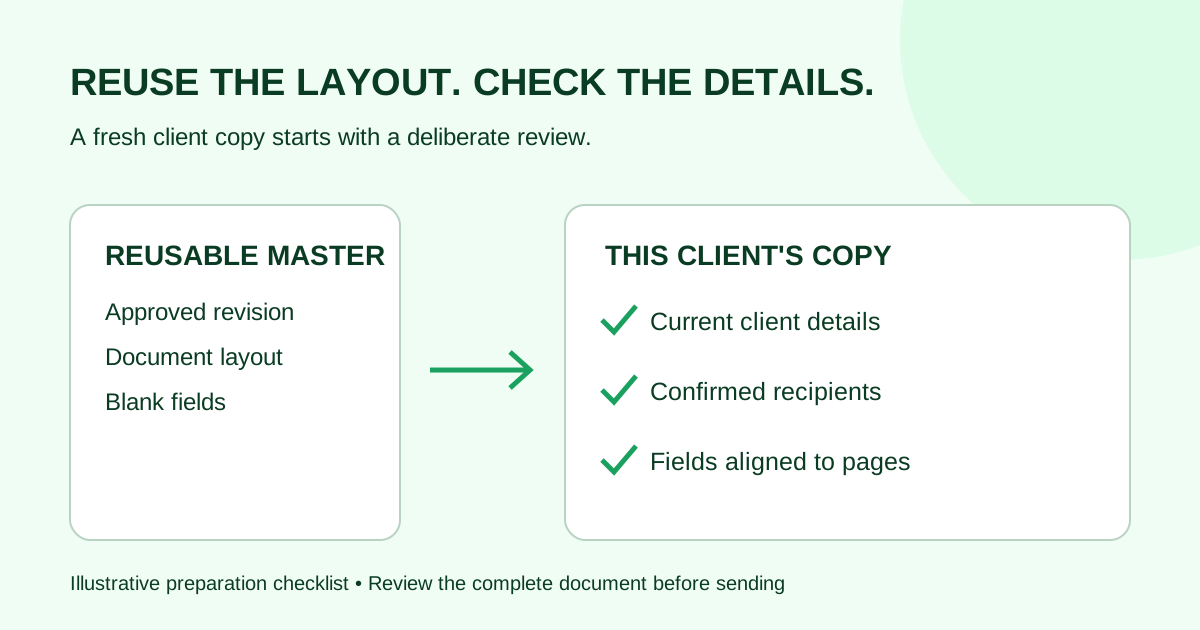
For repeat work, a saved template can reduce setup repetition. It still needs a client-specific review each time. In particular, recheck the scope, fee, period and recipient address after reusing a template.
Set a clear expectation
Adapt this message:
Please review the engagement letter for monthly bookkeeping beginning in October. The PDF sets out the work, responsibilities and fee we discussed. If anything is missing or incorrect, let us know before signing. Once the agreed signing steps are complete, our onboarding owner will send the separate setup instructions.
Do not imply that signing an engagement letter completes every authorization the firm might need. Keep other forms and access requests in their appropriate processes.
Finish with an owned handoff
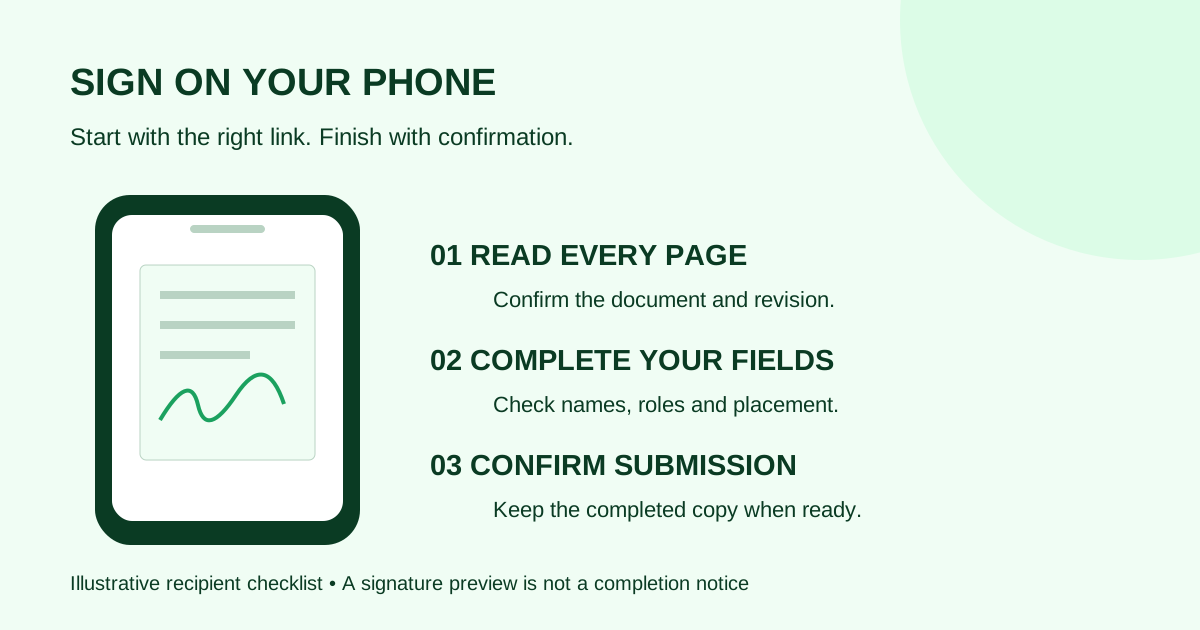
Retain the completed PDF and completion certificate in the firm's approved records location. Record the completion date and notify the onboarding owner. That owner checks the remaining prerequisites before work starts.
If the request is still unsigned, distinguish a delivery problem from a scope question. Repeated reminders will not resolve an incorrect fee or a client who expected a different service.
Source reviewed 27 September 2026.
Next step: review Demand Signatures' reusable-template workflow before preparing your firm's next approved engagement letter.
Comments
Questions and notes from readers. Every comment is reviewed before it appears.
Comments are unavailable right now. Please try again later.
Leave a comment